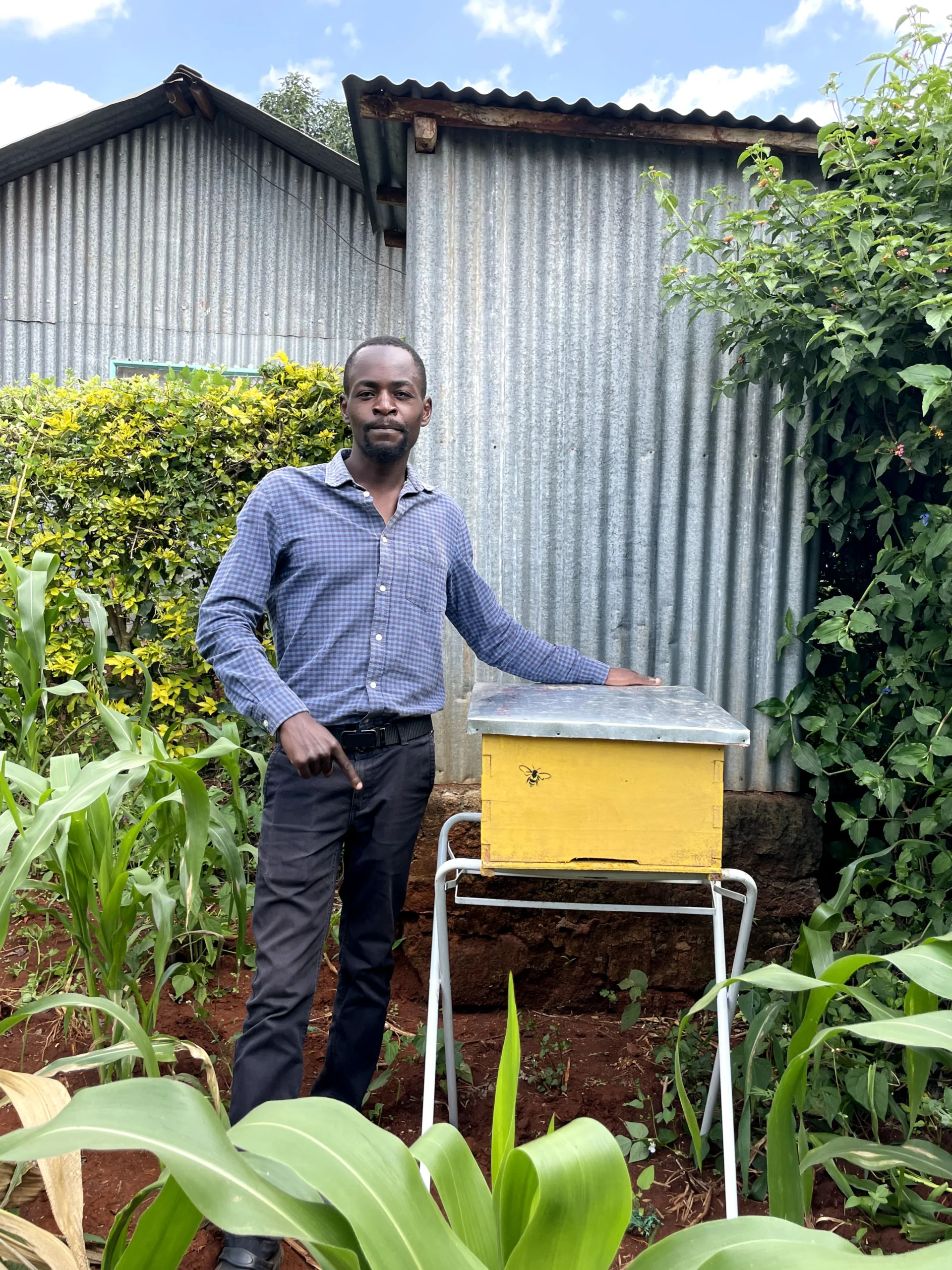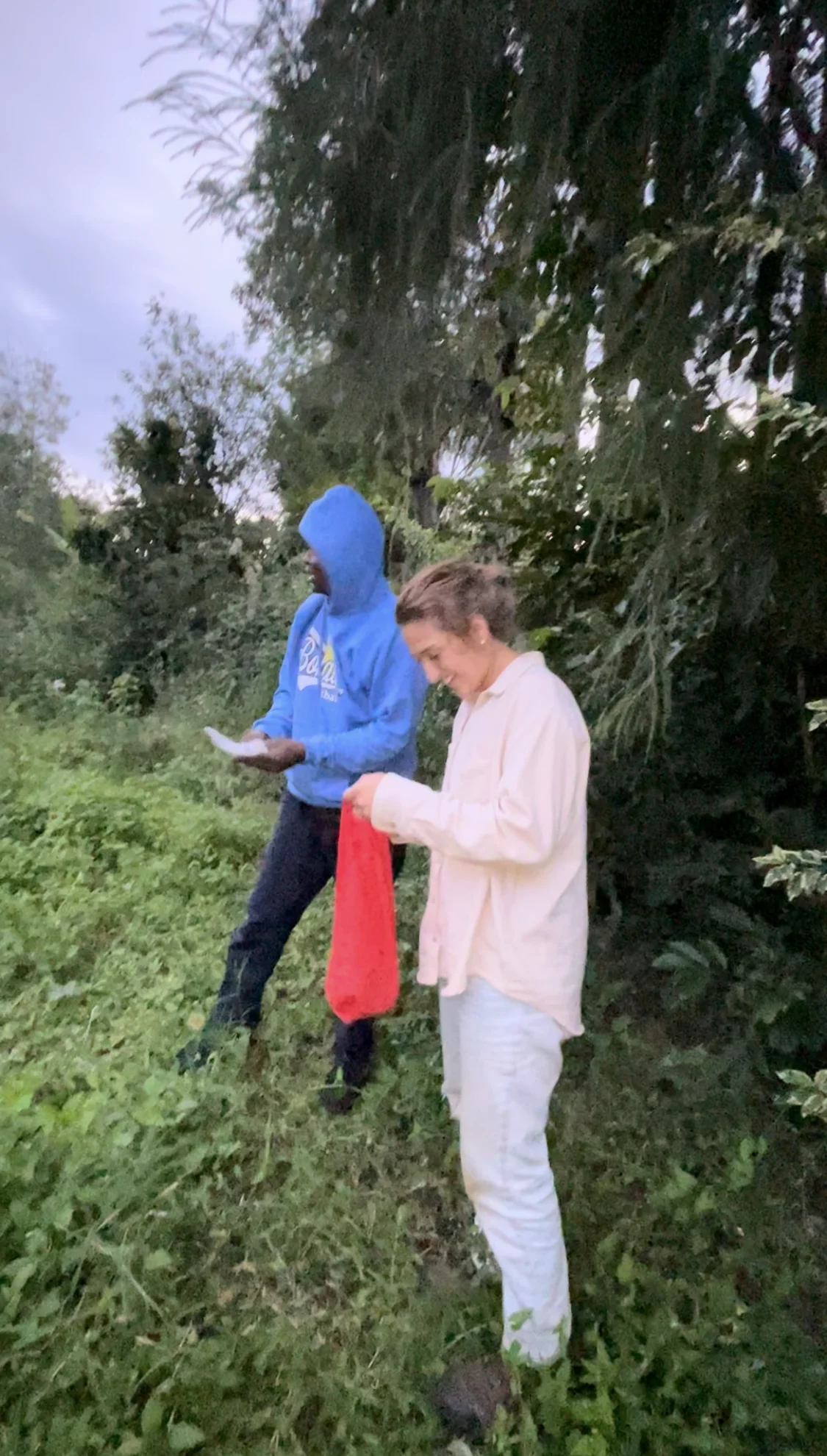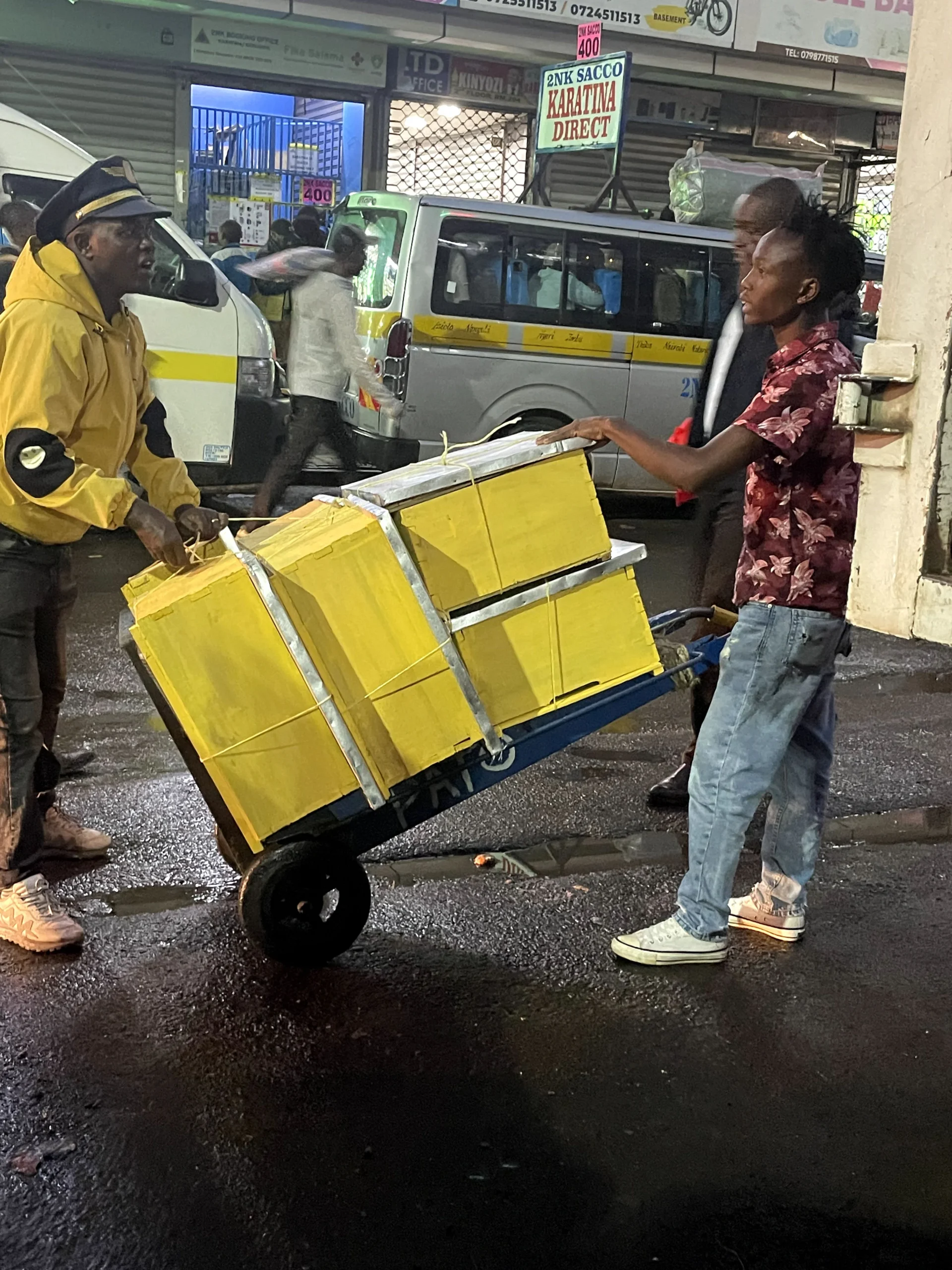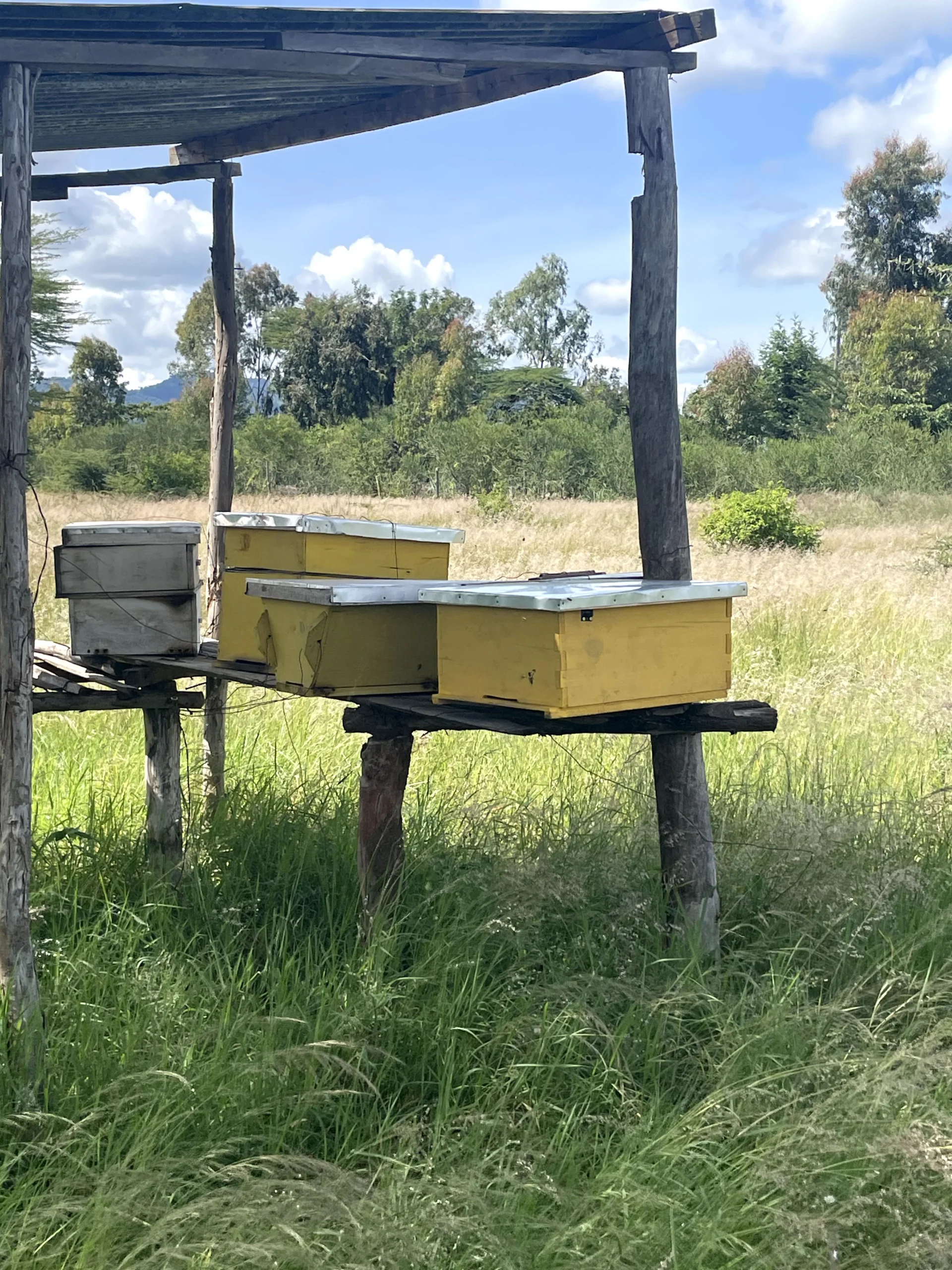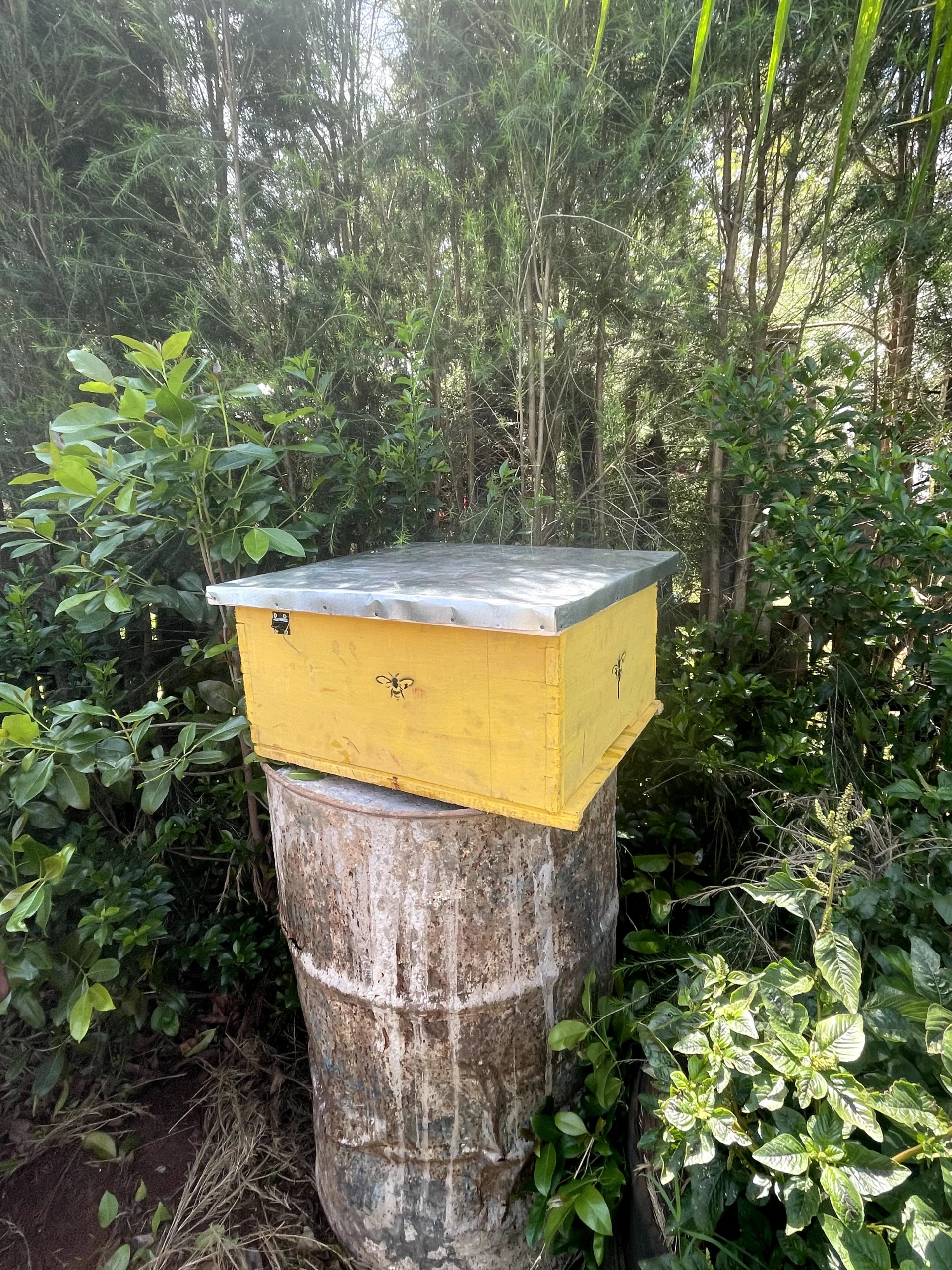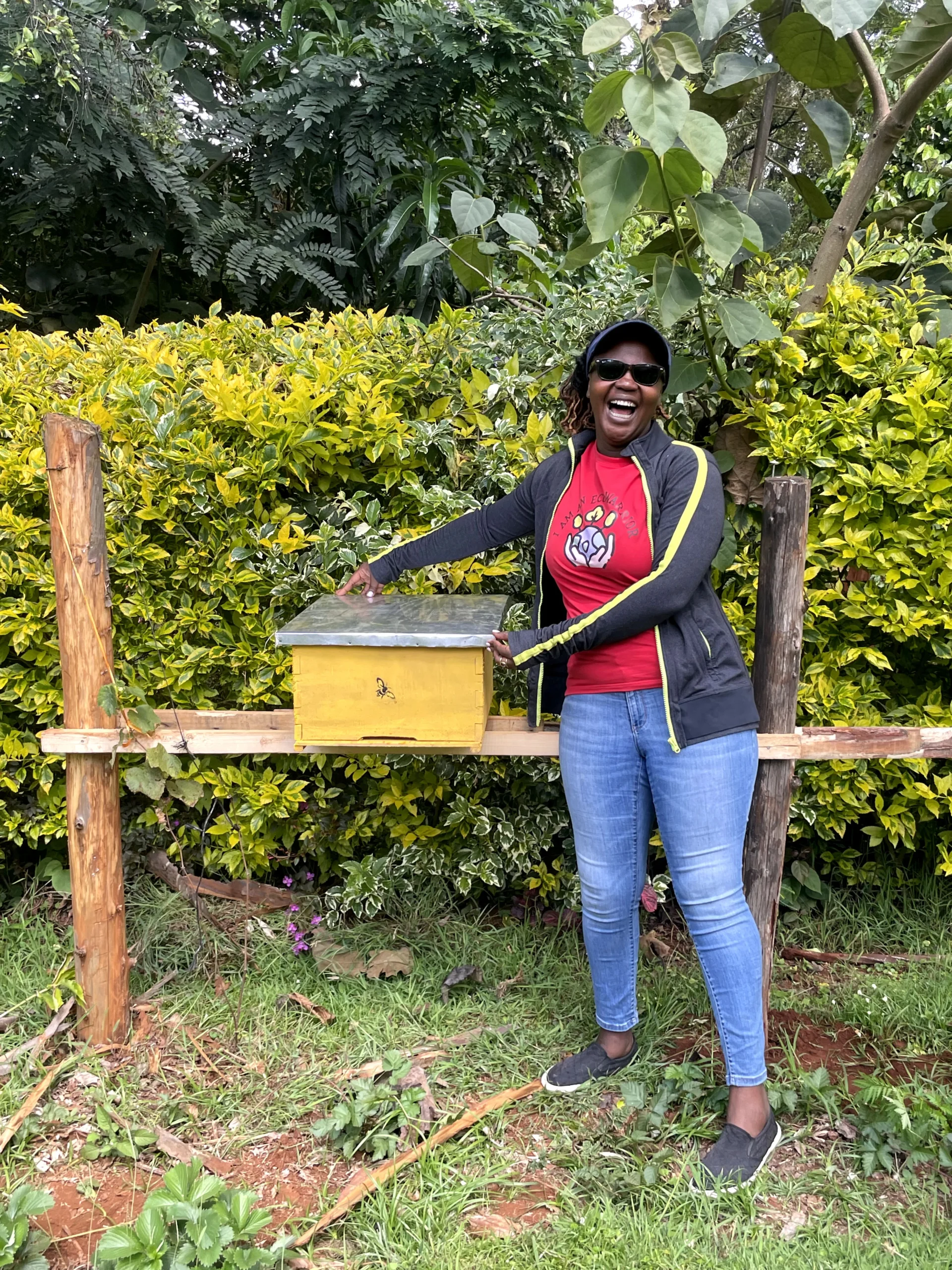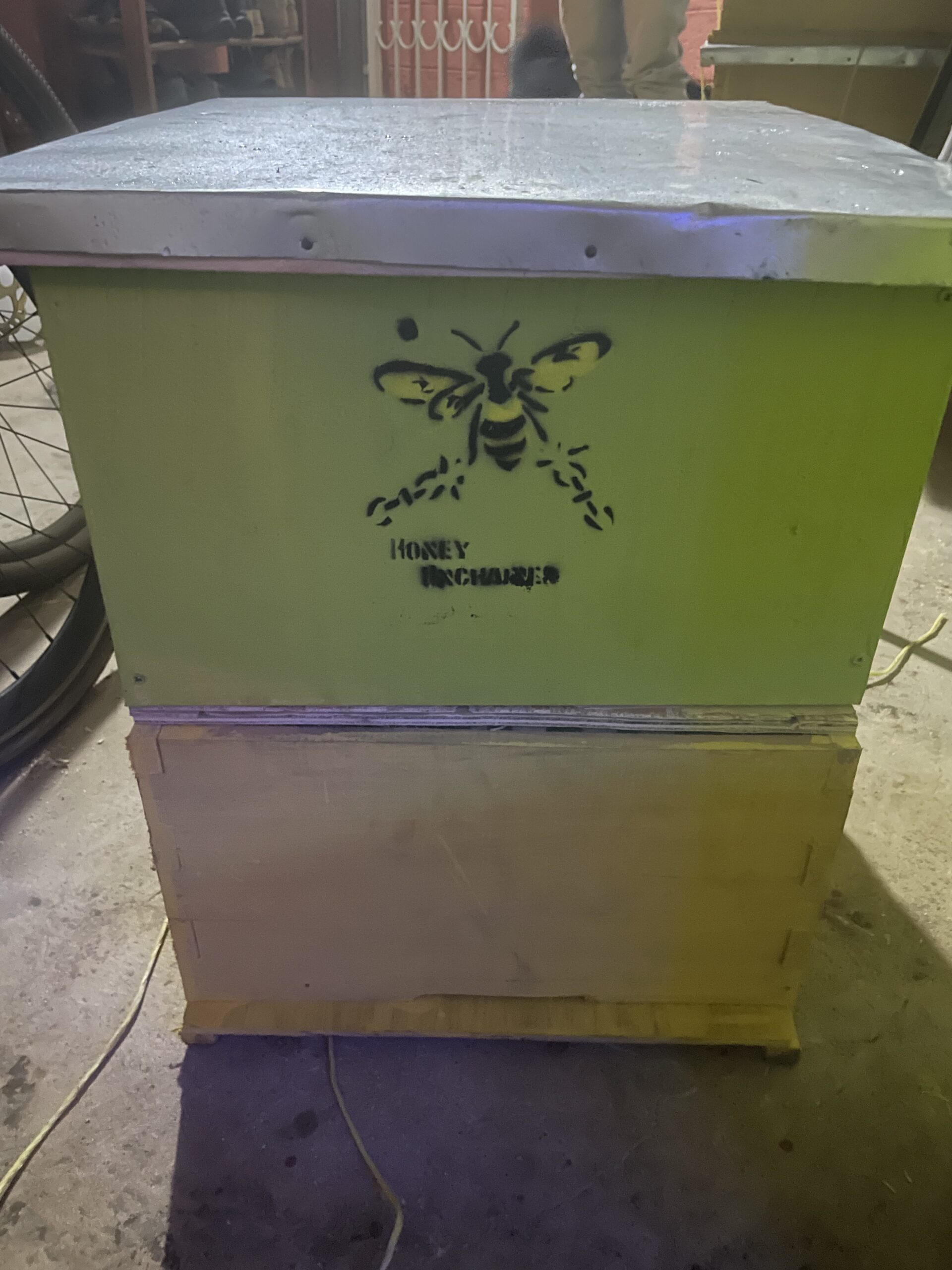


I left my engineering job and moved to Kenya to build something real—something rooted in people, place, and practice rather than theory alone. Honey Unchained began through conversations under avocado trees, long rides on boda-bodas, and days spent learning directly from beekeepers who had deep expertise but limited access to tools, infrastructure, and reliable markets.
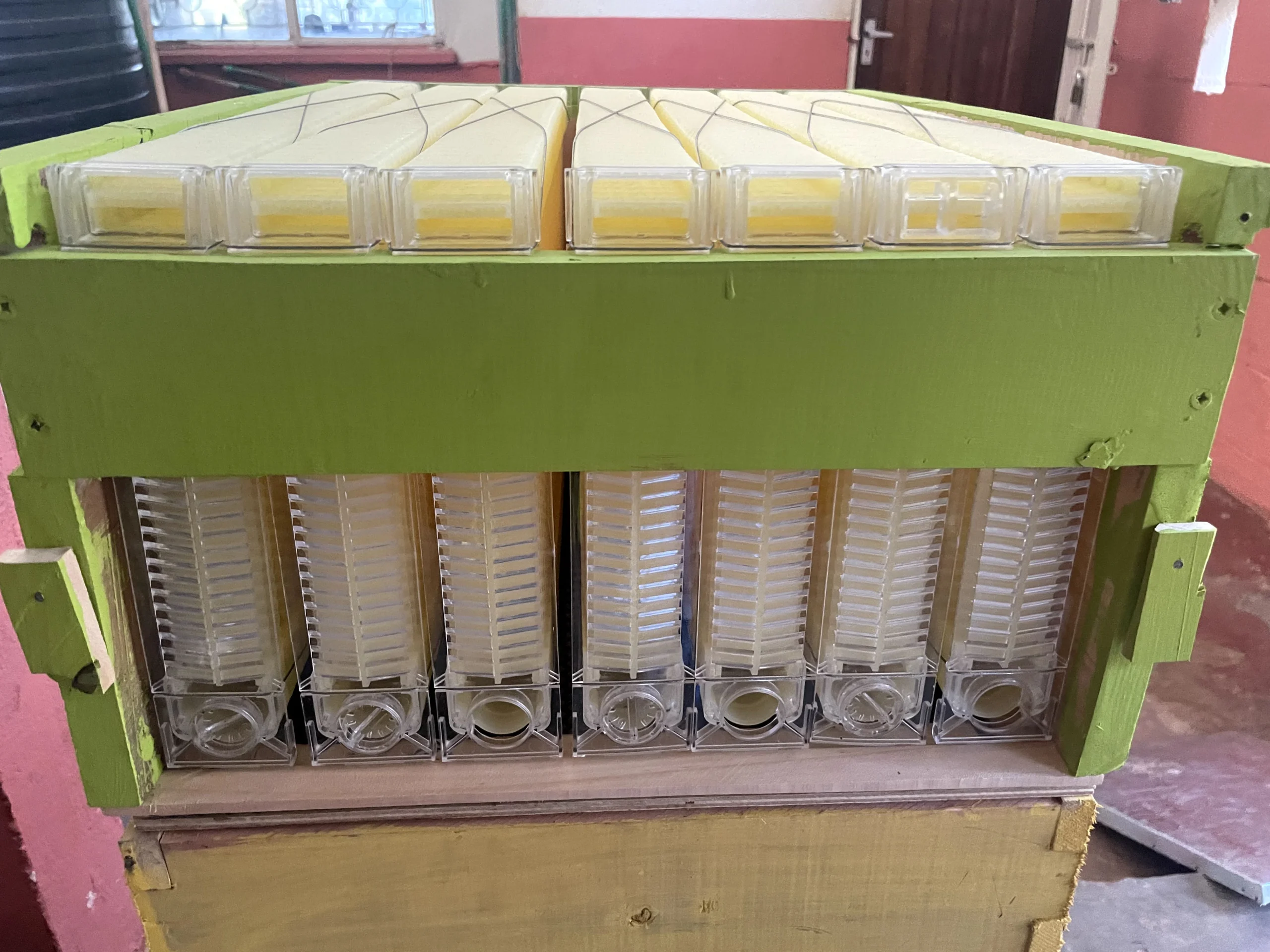
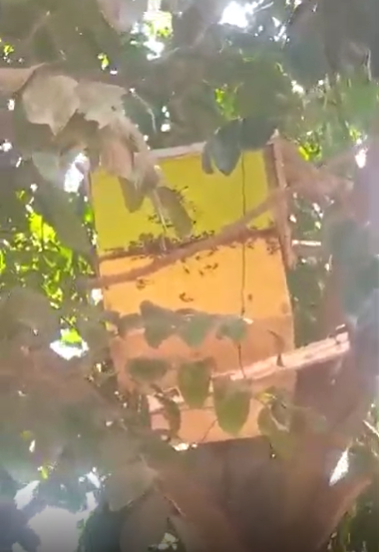
Working alongside Kenyan beekeepers, local makers, and supply-chain partners, I began designing and testing beekeeping systems inspired by Flow Hive technology—adapting them to local materials, skills, and economic realities. These collaborations evolved into a fair-trade beekeeping venture with a clear social impact: increasing income, reducing physical labor, and supporting long-term financial stability for farming families.
More than a product, Honey Unchained is a systems-level social enterprise, integrating design, manufacturing, training, and market access to address structural barriers faced by smallholder beekeepers. The work has expanded to include partnerships in India, where we are exploring cost-effective manufacturing, micro-financing pathways, and scalable supply-chain solutions that support beekeepers from production to sale.
Looking ahead, I aim to continue growing Honey Unchained as a platform for impact-driven design, while building toward a design practice that supports socially rooted ventures across emerging and Global South markets—where engineering, economics, and lived experience intersect.